
Coping with Permanent Disabilities: Strategies for Resilience
Explore practical strategies for coping with permanent disabilities and enhancing emotional well-being through awareness and action.
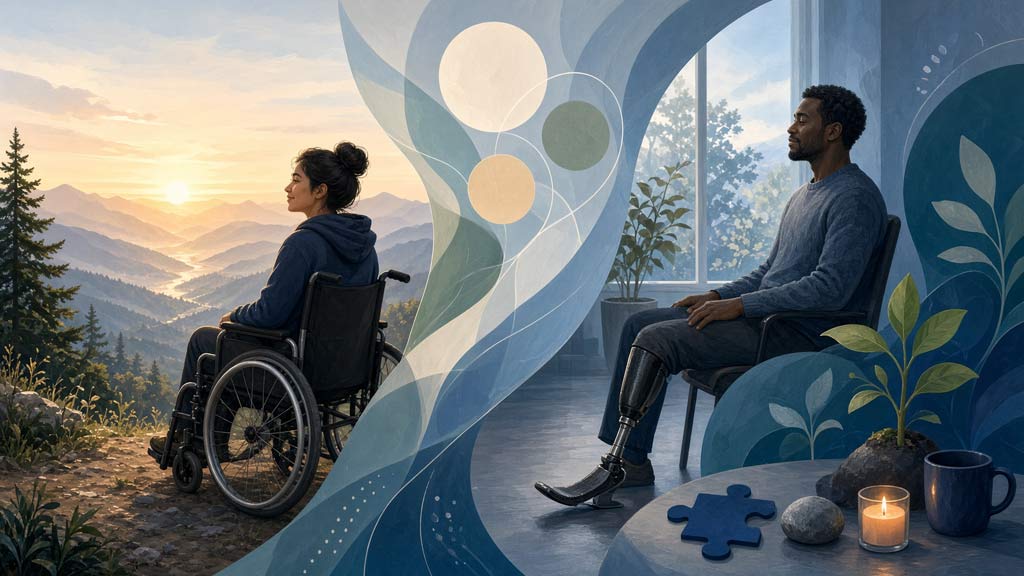
Coping with Permanent Disabilities: Strategies for Resilience
Living with a permanent disability can present unique challenges, impacting both physical functionality and emotional well-being. It’s essential to understand the complexities of this experience and find constructive ways to cope. This entry aims to provide practical insights and strategies to help you navigate life with a permanent disability.
Understanding the Experience
Disabilities can vary widely, affecting individuals differently based on numerous factors, including the nature of the condition, support systems, and individual resilience. Coping with a permanent disability involves not only adapting to physical limitations but also managing emotional responses, which can include feelings of frustration, sadness, or isolation.
Takeaways
- Awareness is key: Recognize the emotional and physical aspects of your condition.
- Build a support network: Connect with others who understand your experience.
- Develop coping strategies: Find methods that work for you, whether practical or emotional.
- Practice self-care: Prioritize your physical and mental health.
- Seek professional support: Don’t hesitate to reach out for help when needed.
Practical Map for Coping
Here are some practical strategies to consider for coping with permanent disabilities:
- Establish Routine: Create a daily schedule that accommodates your abilities and provides structure.
- Mindfulness and Meditation: Engage in mindfulness practices to help reduce anxiety and improve emotional regulation.
- Physical Activity: Incorporate safe physical activities that suit your abilities, which can improve mood and physical health.
- Express Yourself: Use journaling, art, or other creative outlets to express feelings and cope with emotional challenges.
- Set Realistic Goals: Break down tasks into manageable steps and celebrate your progress, no matter how small.
- Connect with Others: Join support groups or communities where you can share experiences and gain insights from others facing similar challenges.
- Educate Yourself: Learn more about your disability and coping strategies; knowledge can empower you.
Common Signs of Coping Challenges
Being aware of the signs that indicate you might be struggling with coping is important. Some common signs include:
- Increased feelings of isolation or loneliness.
- Frequent mood swings or feelings of sadness.
- Difficulty managing daily tasks or responsibilities.
- Changes in appetite or sleep patterns.
- Increased anxiety or stress related to your disability.
When to Seek Professional Help
If you find that your coping strategies are not sufficient, or if you experience persistent feelings of sadness, hopelessness, or anxiety, it may be beneficial to seek professional help. Mental health professionals can offer support, coping techniques, and tailored strategies to help you manage your challenges.
Differences Between Coping with Disabilities and Ordinary Stress
Coping with a permanent disability often involves ongoing adjustments and considerations beyond typical stressors. While everyone experiences stress, those with permanent disabilities may face:
- Chronic fatigue and physical limitations that affect daily life.
- Social stigma or misconceptions about their capabilities.
- Long-term emotional impacts that require more than just stress management techniques.
Conclusion: Finding Courage through Awareness and Action
While coping with a permanent disability can be daunting, it is important to remember that you are not alone. Many have navigated similar paths and found ways to cultivate courage and resilience. Through awareness and proactive coping strategies, you can enhance your emotional well-being and lead a fulfilling life.
If you are struggling, reach out for support from friends, family, or professionals. Connecting with others can foster a sense of community and understanding, making your journey a little lighter.