
Understanding Anxiety in Seniors: Signs and Support
Explore how anxiety affects seniors, common signs, and practical strategies to foster emotional well-being and connection.
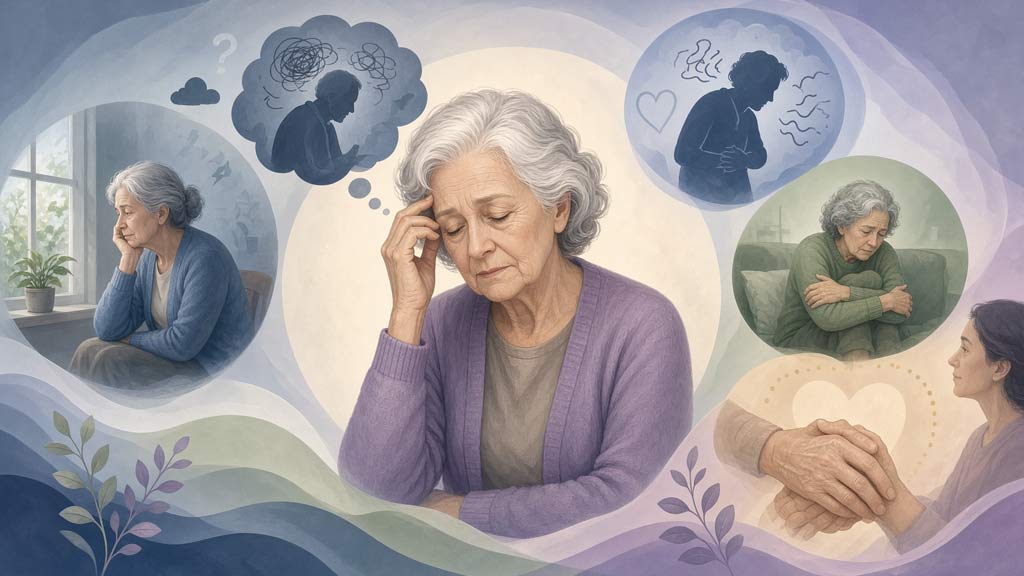
Understanding Anxiety in Seniors
Anxiety can be a significant concern for seniors, often influenced by various life changes that come with aging. Understanding how anxiety manifests in older adults is crucial for fostering emotional well-being. This article will explore common signs of anxiety in seniors, practical coping strategies, and when to seek professional help.
Common Signs of Anxiety in Seniors
Anxiety in seniors may not always present in the same way it does in younger adults. Here are some common signs to be aware of:
- Increased Worry: Seniors may worry excessively about health issues, family, and their future.
- Physical Symptoms: Anxiety can lead to physical symptoms such as increased heart rate, sweating, and fatigue.
- Social Withdrawal: Seniors may isolate themselves, avoiding social interactions they once enjoyed.
- Change in Sleep Patterns: Anxiety can affect sleep, leading to insomnia or excessive sleeping.
- Difficulty Concentrating: A sense of restlessness or difficulty focusing can be a sign of anxiety.
What Helps with Anxiety in Seniors Day-to-Day?
There are various strategies seniors can utilize to manage anxiety in their daily lives:
- Establish a Routine: Maintaining a regular schedule can provide structure and predictability, reducing anxiety.
- Stay Physically Active: Exercise can significantly alleviate anxiety. Simple activities like walking or stretching can be beneficial.
- Practice Mindfulness: Techniques such as meditation, deep breathing, or yoga can help calm the mind.
- Engage Socially: Connecting with friends and family, or participating in community activities can combat loneliness and promote well-being.
- Peer Counseling: Engaging with trained peer counselors can provide emotional support and guidance through life changes.
When Should Someone Seek Professional Help?
While some anxiety is a normal part of aging, there are times when it’s important to seek professional help:
- If anxiety interferes with daily activities or quality of life.
- If physical symptoms increase or lead to distress.
- If there are changes in mood that are concerning.
- If self-care strategies are ineffective over time.
How is Anxiety in Seniors Different from Ordinary Stress?
Anxiety can occur in response to stress; however, it often becomes more pronounced due to the cumulative effects of various life transitions. Factors such as retirement, loss of loved ones, or health challenges can intensify feelings of anxiety. Unlike ordinary stress, anxiety can persist even in low-stress situations, leading to a significant impact on daily functioning.
Conclusion
Understanding anxiety in seniors is critical in promoting their emotional and mental well-being. By recognizing the unique signs and employing practical coping strategies, seniors can navigate their feelings of anxiety more effectively. Emphasizing social connections and seeking support when needed can transform anxiety into a manageable challenge, fostering a greater sense of courage and resilience in the face of life’s transitions.