
Understanding Anxiety in Everyday Life: Signs and Solutions
Explore the signs, effects, and practical strategies to manage anxiety in everyday life for a healthier, more balanced approach.
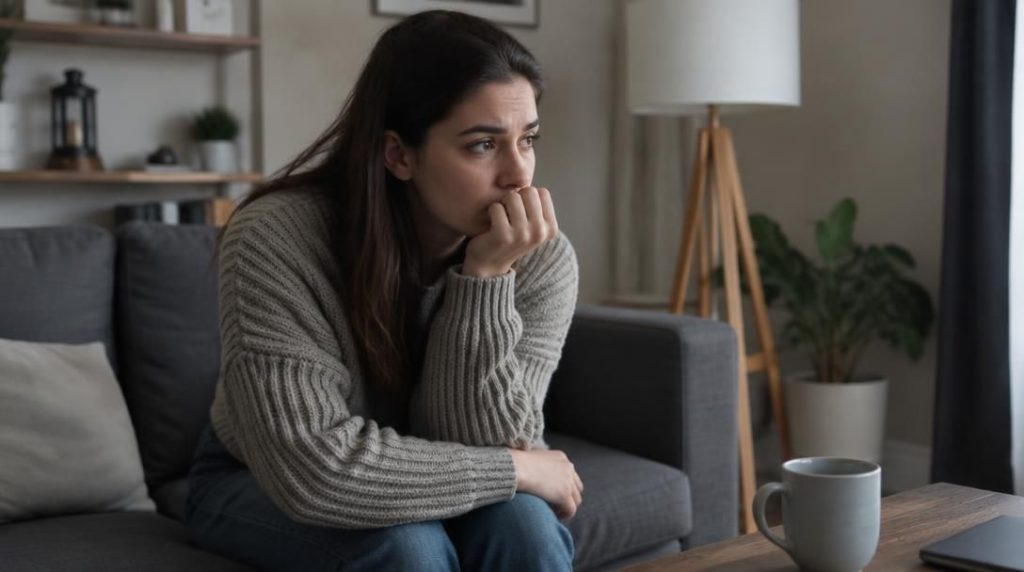
Understanding Anxiety in Everyday Life
Anxiety can manifest in many forms throughout our daily lives. It’s an emotional response that everyone experiences at some point, and recognizing its signs and impacts can be crucial for finding effective coping strategies. This article aims to help you navigate the complexities of anxiety, offering insights and practical tools to manage it in a healthy way.
What is Anxiety in Everyday Life?
Anxiety in everyday life refers to the persistent feelings of worry, fear, or apprehension that can affect various aspects of one’s daily routine. While it’s normal to feel anxious about specific events, such as public speaking or job interviews, anxiety can become overwhelming when it starts to interfere with daily activities and overall well-being.
Common Signs of Anxiety
Recognizing the signs of anxiety is the first step towards managing it effectively. Common symptoms include:
- Excessive Worry: Constantly thinking about potential negative outcomes or fearing what might happen.
- Restlessness: Feeling on edge or unable to relax, often accompanied by a sense of discomfort.
- Fatigue: Chronic worry can lead to mental exhaustion, making it difficult to concentrate or find motivation.
- Physical Symptoms: Symptoms such as rapid heartbeat, sweating, or difficulty breathing may occur, especially in stressful situations.
- Difficulty with Sleep: Trouble falling asleep or staying asleep can be a significant issue for those with anxiety.
How Anxiety Differs from Ordinary Stress
While stress is often a reaction to a specific challenge or demand, anxiety is more generalized and can persist even in the absence of a clear stressor. Stress can be motivating and lead to productivity, whereas anxiety can cause avoidance behaviors and affect one’s quality of life.
Practical Strategies for Managing Anxiety
Managing anxiety in everyday life often requires a combination of strategies. Here are some practical tips:
- Mindfulness and Meditation: Practicing mindfulness can help ground you in the present moment, reducing feelings of anxiety.
- Physical Activity: Regular exercise can lower stress levels and improve mood through the release of endorphins.
- Healthy Lifestyle Choices: Eating a balanced diet, staying hydrated, and getting enough sleep can significantly impact your mental well-being.
- Deep Breathing Exercises: Techniques such as deep breathing can help calm the body’s stress response and promote relaxation.
- Establish a Support Network: Connecting with friends, family, or support groups can provide comfort and perspective.
When to Seek Professional Help
While managing anxiety on your own is possible, there may be times when seeking professional help is essential. Consider speaking to a mental health professional if:
- Your anxiety is chronic and interferes with daily functions.
- You experience panic attacks or overwhelming fear.
- You find it difficult to control your worries.
- You notice physical symptoms that are concerning or debilitating.
- Self-help strategies do not seem to improve your situation.
Finding Hope and Moving Forward
It’s essential to remember that experiencing anxiety is a common part of life, and there are ways to manage it effectively. Building awareness and taking action to cope with anxiety can lead to greater emotional sobriety and resilience. Embrace your journey toward understanding yourself better, and take proactive steps to improve your quality of life.
Conclusion
By learning about anxiety in everyday life and implementing practical strategies, you can turn your fear into courage. Remember, you’re not alone in this journey, and there are resources and support systems available to help you along the way.
Related Searches
- Anxiety in day to day life
- Real-life anxiety experiences
- Managing anxiety daily
- Signs of anxiety disorder
- Stress management techniques