
Understanding Common Searches About Anxiety: A Guide
Explore what people commonly search about anxiety, signs, coping strategies, and when to seek help. Gain insight into managing anxiety effectively.
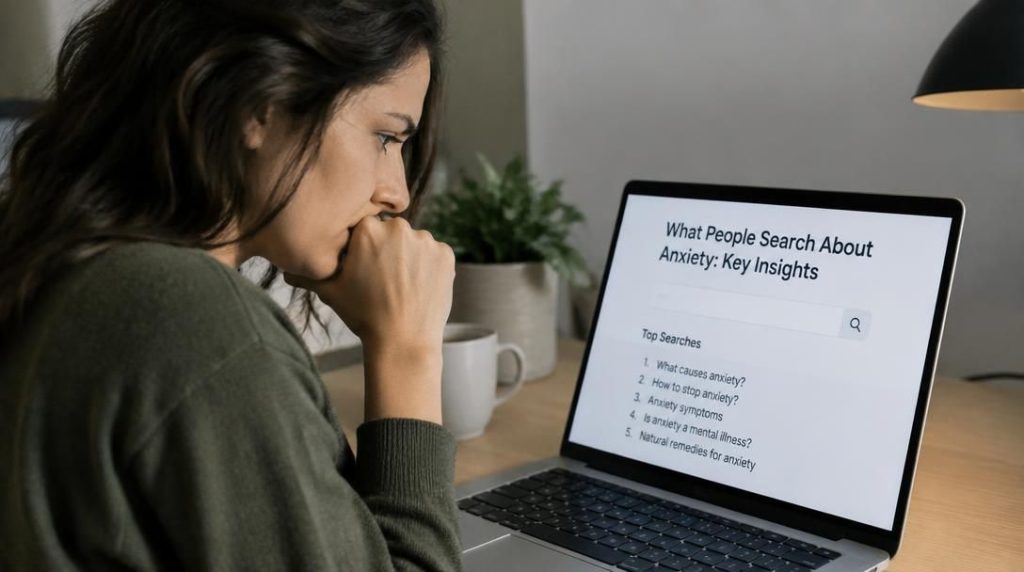
Understanding Anxiety: What People Search
Anxiety is a complex emotion that many people experience at various points in their lives. It can manifest as an overwhelming state of worry or fear, often about future events. This article will clarify what individuals often search about anxiety, including its signs, coping strategies, and when to seek help.
Common Searches About Anxiety
People frequently turn to online resources for information about anxiety. Here are some common inquiries:
- What is anxiety? Individuals seek to understand the nature of anxiety, how it differs from fear, and its emotional components.
- What are the signs of anxiety? Many look for clear indicators of anxiety to recognize it in themselves or others.
- How can I cope with anxiety day-to-day? Practical coping strategies are sought by those looking to manage their anxiety effectively.
- When should I seek professional help for anxiety? Knowing when to seek help is crucial for those struggling with anxiety.
- How is anxiety different from ordinary stress? People want to understand the distinctions between general stress and anxiety disorders.
Signs of Anxiety
Recognizing the signs of anxiety is key to understanding and managing it. Common signs include:
- Excessive worry: Persistent, uncontrollable thoughts related to various aspects of life.
- Physical symptoms: These can include increased heart rate, sweating, trembling, or gastrointestinal distress.
- Restlessness: An inability to relax or stay still.
- Difficulty concentrating: A common experience is having your mind go blank or feeling distracted.
- Sleep disturbances: Anxiety can lead to trouble falling or staying asleep.
Coping Strategies for Anxiety
Finding effective coping strategies can help manage anxiety in daily life. Here are some practical suggestions:
- Mindfulness and meditation: Practicing mindfulness can enhance your awareness of anxious thoughts and help you manage them.
- Physical activity: Regular exercise can reduce anxiety by releasing endorphins.
- Establishing a routine: A consistent daily routine can provide a sense of stability and predictability.
- Journaling: Writing about your feelings can help clarify thoughts and reduce anxiety.
- Support networks: Connecting with supportive friends, family, or support groups can alleviate feelings of isolation.
When to Seek Professional Help
It’s essential to know when professional help is necessary. Consider reaching out to a mental health professional if:
- Your anxiety is persistent and interferes with daily activities.
- You experience severe panic attacks.
- You have difficulty managing anxiety on your own.
- You feel overwhelmed by feelings of dread or worry.
Distinguishing Anxiety from Ordinary Stress
While stress is a common response to challenges, anxiety can be more pervasive. Here are some key differences:
- Duration: Stress typically resolves once the stressor is removed, while anxiety can persist even without a clear source.
- Intensity: Anxiety often involves overwhelming feelings that can disrupt daily life, whereas stress may be manageable.
- Physical manifestations: Anxiety can lead to more severe physical symptoms and emotional responses than typical stress.
Conclusion
Understanding the nuances of anxiety can empower you to seek the right support and employ coping mechanisms. Remember, you are not alone in this journey.
For more resources, consider exploring the programs offered by Anxiety Sobriety, which aim to convert fear into courage through awareness and action.