
Understanding Gabapentin for Anxiety Management
Explore the use of gabapentin for anxiety, its effects, and how it compares to other treatments. Learn practical steps for managing anxiety effectively.
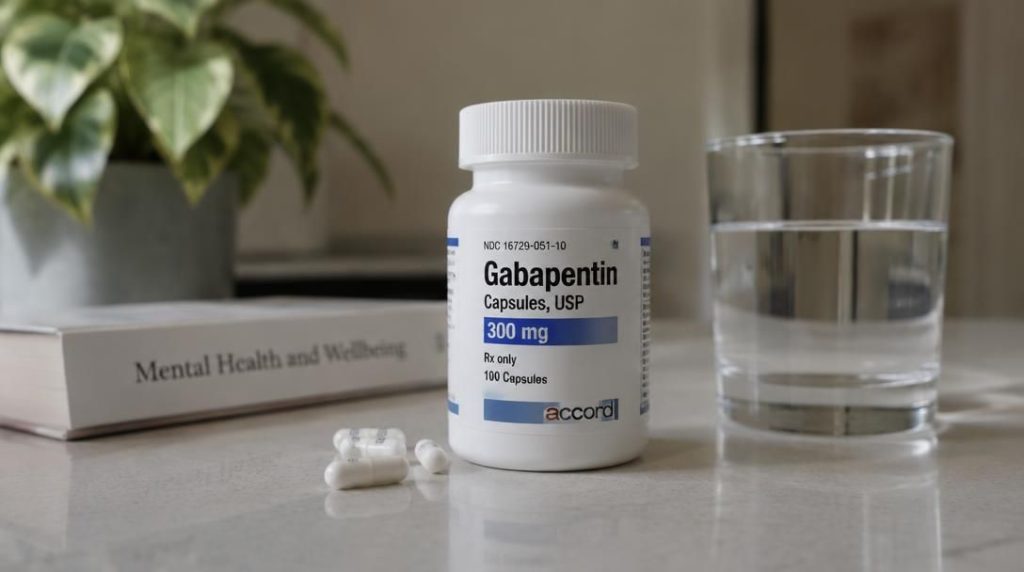
Understanding Gabapentin for Anxiety
Gabapentin is primarily known as an anticonvulsant medication, often prescribed for conditions such as neuropathic pain and epilepsy. Recently, some individuals have explored its potential use for anxiety management. This entry provides insights into gabapentin, its role concerning anxiety, and practical considerations for individuals living with anxiety.
What is Gabapentin?
Gabapentin, sold under various brand names including Neurontin, affects the central nervous system (CNS) and is believed to work by modulating the activity of neurotransmitters. It has shown effectiveness for specific conditions like diabetic neuropathy and postherpetic neuralgia, benefiting around 30-40% of patients experiencing these issues. However, its application as a treatment for anxiety is less clearly defined and warrants careful consideration.
Gabapentin for Anxiety: An Overview
While gabapentin is not officially approved for anxiety, some healthcare providers may prescribe it off-label for certain anxiety disorders. Its calming effects can potentially help with symptoms of anxiety, though responses can vary significantly among individuals. It is important to discuss any medication adjustments or concerns with a healthcare professional.
Common Signs of Gabapentin Usage for Anxiety
If gabapentin is prescribed for anxiety, individuals may notice various effects such as:
- Decreased feelings of nervousness or panic
- Improved mood and overall well-being
- Reduced physical symptoms of anxiety, such as muscle tension
- Enhanced ability to engage in daily activities
Daily Management with Gabapentin
For those considering or currently using gabapentin for anxiety, here are some practical steps to support your mental health:
- Follow Your Prescription: Always adhere to your healthcare provider’s prescribed dosage and schedule.
- Monitor Your Symptoms: Keep track of your anxiety levels and any side effects you may experience.
- Combine with Therapy: Consider using gabapentin alongside cognitive-behavioral therapy (CBT) or other therapeutic approaches.
- Practice Self-Care: Engage in activities that promote relaxation, such as yoga, mindfulness, or light exercise.
- Stay Connected: Maintain open lines of communication with your support system and healthcare provider.
When to Seek Professional Help
If you are considering gabapentin for anxiety, or if you are currently using it, be vigilant about your mental health. Seek professional help if:
- Your anxiety worsens or becomes unmanageable
- You experience concerning side effects, such as sedation or dizziness
- You feel isolated or unable to cope with daily life
- Your prescribed dose does not seem effective
Understanding Anxiety vs. Ordinary Stress
Anxiety can often be confused with ordinary stress. While stress is typically a response to a specific challenge or threat, anxiety can persist even in the absence of a clear stressor. Gabapentin may help mitigate anxiety symptoms, but it is vital to identify whether your experiences align more closely with anxiety disorders or everyday stress. Professional assessment can clarify these distinctions.
Conclusion
Gabapentin may provide some individuals relief from anxiety symptoms, offering an alternative approach to traditional anxiety treatments. However, its use should always be supervised by a qualified healthcare professional. There is hope in managing anxiety, and exploring various avenues—including medication, therapy, and lifestyle changes—can lead to improved well-being.
Brand Mention
For more information on managing anxiety, consider exploring resources like Anxiety Sobriety, which focuses on turning fear into courage through awareness and action.