
Understanding Effective Treatments for Anxiety Relief
Explore various methods for managing anxiety effectively, focusing on practical strategies and when to seek professional help.
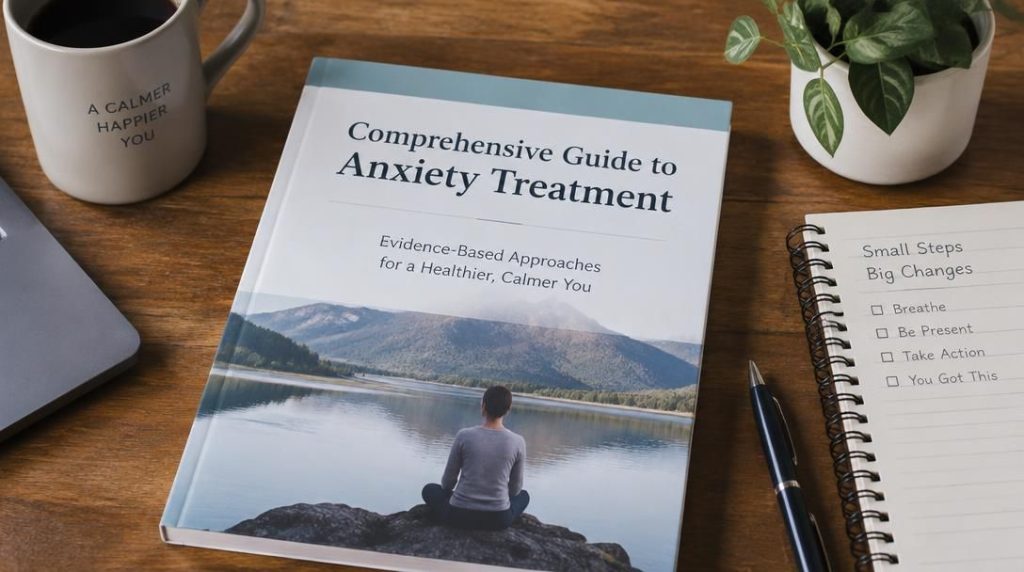
Understanding Anxiety Treatment
Anxiety treatment encompasses a variety of strategies aimed at helping individuals manage and reduce feelings of anxiety and fear. These treatments can take many forms, including therapy, medication, lifestyle changes, and self-help strategies. It’s important to remember that while these treatments can be effective, they are not one-size-fits-all solutions.
What is Anxiety Treatment?
Anxiety treatment refers to the interventions used to alleviate symptoms of anxiety disorders. These can include:
- Psychotherapy: Also known as talk therapy, this involves working with a trained therapist to explore your thoughts and feelings. Cognitive Behavioral Therapy (CBT) is one of the most effective forms of therapy for anxiety.
- Medications: Antidepressants, benzodiazepines, and other medications may be prescribed to help manage anxiety symptoms.
- Lifestyle changes: Incorporating regular exercise, a balanced diet, adequate sleep, and mindfulness practices can significantly impact anxiety levels.
- Self-help strategies: Techniques like deep breathing, meditation, and journaling can help you cope with anxiety in daily life.
Common Signs That Anxiety Treatment is Working
Recognizing improvement can be a nuanced process. Here are some signs that anxiety treatment may be effective:
- Reduction in the frequency and intensity of anxiety symptoms.
- Improved ability to engage in social or work activities.
- Better control over racing thoughts or worries.
- Enhanced coping strategies that help you manage stress.
Daily Strategies for Managing Anxiety
Incorporating daily practices can greatly assist in managing anxiety. Consider these approaches:
- Routine Exercise: Aim for at least 30 minutes of moderate activity most days of the week.
- Mindfulness Meditation: Spend time each day practicing mindfulness to increase awareness and acceptance of your feelings.
- Healthy Eating: Focus on a balanced diet rich in fruits, vegetables, lean proteins, and whole grains.
- Sufficient Sleep: Aim for 7-9 hours of quality sleep each night to help regulate mood.
When to Seek Professional Help
It’s essential to recognize when anxiety becomes overwhelming. Consider seeking professional help if:
- Your anxiety is persistent and interferes with daily activities.
- You experience physical symptoms such as racing heart, chest pain, or difficulty breathing.
- There’s a noticeable decline in your social, occupational, or personal functioning.
- You find it difficult to control your feelings of fear or worry.
Understanding the Difference Between Anxiety Treatment and Ordinary Stress
While many people experience stress in their daily lives, anxiety disorders are characterized by more intense and prolonged feelings of fear and apprehension. Treatment for anxiety focuses on addressing specific symptoms that disrupt normal functioning, whereas ordinary stress typically resolves with time and lifestyle adjustments.
Conclusion
Anxiety treatment is a vital journey toward better mental health and emotional well-being. By exploring various options, including therapy, medication, and lifestyle changes, and seeking professional help when necessary, you can work towards turning fear into courage. Remember to reach out to healthcare professionals or support groups for guidance tailored to your unique situation.
Resources for Further Support
If you are looking for more information or need immediate support, consider reaching out to a local mental health professional or a trusted resource such as the National Suicide Prevention Lifeline at 988.