
Effective Grounding Techniques for Managing Anxiety
Explore practical anxiety grounding techniques to anchor yourself in the present and alleviate overwhelming feelings.
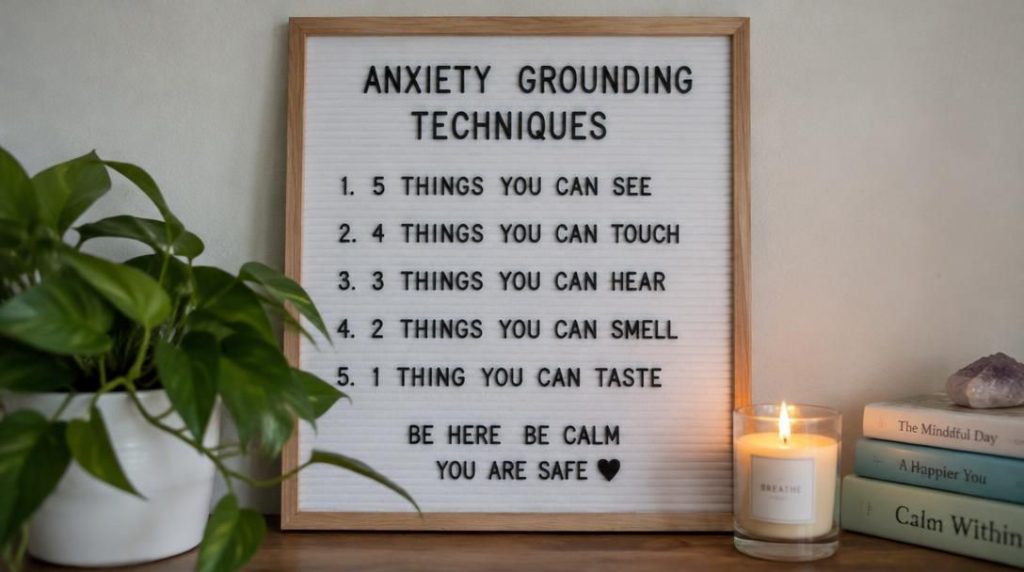
Understanding Anxiety Grounding Techniques
Anxiety grounding techniques are strategies designed to help individuals anchor themselves in the present moment, especially during episodes of anxiety or panic. These methods utilize sensory experiences and mindful awareness to divert attention from distressing thoughts and feelings, allowing for a more balanced emotional state.
Why Use Grounding Techniques?
When anxiety strikes, it can feel overwhelming and disorienting. Grounding techniques aim to bring you back to the present, helping you feel more in control and less consumed by anxiety. They can be particularly useful in managing symptoms of anxiety disorders, panic attacks, and high-stress situations.
Common Grounding Techniques
Here are some effective grounding techniques you can incorporate into your daily life:
- The 5-4-3-2-1 Technique: This is a popular grounding method that engages your senses. Identify:
- 5 things you can see
- 4 things you can touch
- 3 things you can hear
- 2 things you can smell
- 1 thing you can taste
- Breathing Exercises: Focus on your breath. Try inhaling for a count of four, holding for four, and exhaling for four. Repeat several times.
- Physical Grounding: Focus on the feeling of your feet on the ground or the texture of an object you can hold. This helps bring your awareness back to your body.
- Mindfulness Meditation: Spend a few minutes practicing mindfulness by observing your thoughts without judgment, allowing them to come and go like clouds in the sky.
Incorporating Grounding Techniques into Daily Life
To effectively integrate grounding techniques into your daily routine, consider the following:
- Practice Regularly: Make grounding exercises a part of your daily routine, even when you’re not feeling anxious. This helps build familiarity and makes it easier to implement them in times of need.
- Create a Grounding Kit: Collect items that remind you of the present moment (e.g., a smooth stone, essential oils, or a stress ball) and keep them accessible.
- Set Reminders: Use your phone or sticky notes to remind yourself to practice grounding techniques throughout the day.
When to Seek Professional Help
If you find that anxiety significantly interferes with your daily life or that grounding techniques are not providing relief, it may be time to seek professional help. Therapists and counselors can provide guidance tailored to your individual needs and can help explore underlying issues contributing to anxiety.
Grounding Techniques vs. Ordinary Stress
While everyone experiences stress, anxiety can manifest in more intense physical and emotional symptoms. Grounding techniques are specifically designed to help manage these heightened feelings of anxiety, allowing individuals to regain a sense of control.
Conclusion
Remember, grounding techniques are tools to help you navigate anxiety. Embrace the journey with curiosity and compassion towards yourself. With practice, you can transform fear into courage through awareness and action.