
Practical Strategies to Deal with Anxiety Effectively
Discover evidence-based strategies to manage anxiety daily and regain control. Find your path to courage and emotional sobriety today.
Understanding Anxiety
Anxiety is a common emotional experience, often characterized by feelings of worry, fear, or unease. It can manifest in many forms, from general anxiety to specific phobias. While occasional anxiety is a normal part of life, chronic anxiety can interfere with daily activities and overall well-being. This entry aims to provide practical strategies to help you deal with anxiety effectively. For more help, please look on Amazon for my book and workbook, Anxiety Quest.
Takeaways
- Recognize the signs of anxiety and its impact on your life.
- Implement daily coping strategies to manage anxiety.
- Seek professional help when necessary.
- Practice self-compassion and patience during your journey.
Practical Map: Strategies to Manage Anxiety
Here are some practical steps you can take to deal with anxiety:
- Identify Triggers: Keep a journal to track when you feel anxious. Understanding what triggers your anxiety can help you prepare and respond effectively.
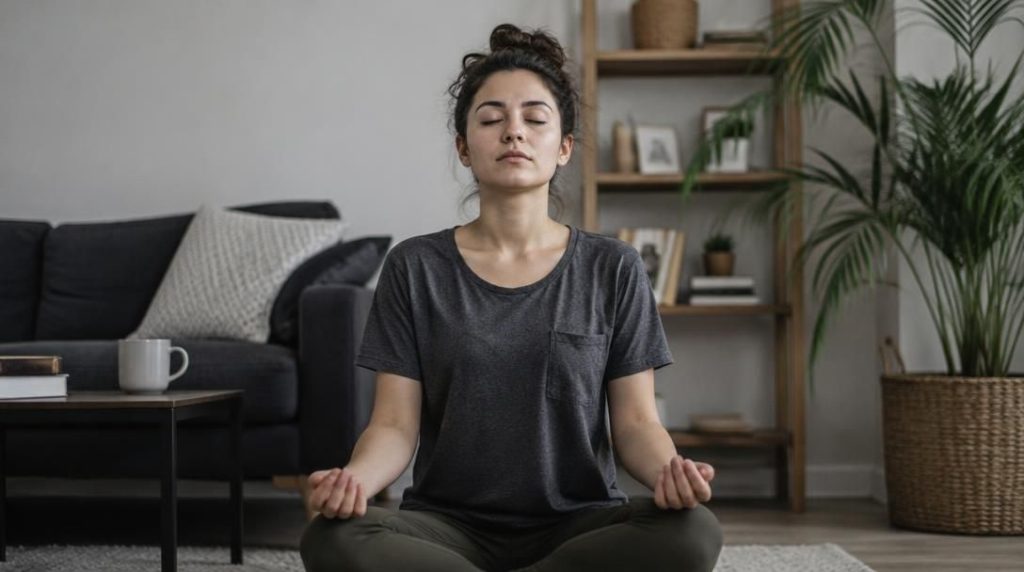
- Practice Mindfulness: Mindfulness techniques, such as deep breathing, meditation, and grounding exercises, can help bring your focus back to the present moment, reducing anxiety levels.
- Establish a Routine: Creating a structured daily routine can provide a sense of stability and predictability, which may help alleviate anxiety.
- Physical Activity: Regular exercise has been shown to reduce anxiety levels. Aim for at least 30 minutes of moderate activity most days of the week.
- Connect with Others: Reach out to friends or family for support. Sharing your feelings can help lighten the burden of anxiety.
- Limit Stimulants: Reduce your intake of caffeine and sugar, which can exacerbate anxiety symptoms. Consider replacing them with herbal teas or more balanced snacks.
- Prioritize Sleep: Ensure you are getting enough restorative sleep. Poor sleep can significantly contribute to anxiety and stress levels.
- Seek Professional Help: If anxiety is affecting your daily life, consider speaking to a mental health professional who can provide guidance and support.
When to Seek Professional Help
If you find that your anxiety is overwhelming, persistent, or interfering with your daily life, it may be time to seek professional help. Signs that you should consider reaching out include:
- Inability to control anxious thoughts or feelings
- Increased avoidance of situations that trigger anxiety
- Physical symptoms such as rapid heart rate, sweating, or trembling
- Difficulty in maintaining relationships or fulfilling work responsibilities
How Anxiety Differs from Ordinary Stress
While stress is a normal response to external pressures, anxiety is often a more pervasive condition that can exist even in the absence of specific stressors. Stress generally resolves once the challenge is addressed, whereas anxiety can persist and manifest in various ways without identifiable triggers.
Dealing with Anxiety Attacks
Anxiety attacks can be intense and frightening. Here are some strategies to help you manage them:
- Practice deep breathing techniques to help calm your nervous system.
- Ground yourself in the present by focusing on your surroundings and counting objects or colors you see.
- Remind yourself that anxiety attacks are temporary and will pass.
- Consider having a “calm kit” with items that soothe you, like essential oils or stress balls.
Dealing with Anxiety and Depression
It’s not uncommon for anxiety and depression to coexist. If you’re experiencing both, integrating strategies for managing each condition can be beneficial. Focus on self-care, lean on your support system, and remember that professional help is available.
Conclusion
Dealing with anxiety is a journey that requires patience and persistence. By implementing practical strategies and seeking support when needed, you can cultivate resilience and move toward emotional sobriety. Remember, you are not alone in this journey, and there are resources available to help you navigate your path.